Form follows feeling
Not all our work comes through advertising agencies. Increasingly, we’re working directly with brands, and it’s something we’re really enjoying.
Watch Citra: Live Different
There’s something exciting about getting closer to the source. Sitting across from the people building the business, understanding what drives them, what they’re trying to achieve and what keeps them awake at night.
And perhaps part of the reason we enjoy these relationships is that we’re entrepreneurs ourselves. We’ve built a business too and while it may be a different type of business we understand some of the pressures and responsibilities that come with it. So we’re not just interested in making something beautiful. We’re interested in understanding the business problem we’re helping to solve.
But working directly with brands isn’t necessarily easier. Advertising agencies exist for good reason. At their best, they translate business objectives into compelling communication. Without that bridge, you need to build it together. And if the strategy is weak, everything suffers.
There’s another advantage to getting involved early. Too often, a beautifully conceived script arrives that doesn’t quite match the budget or timeline. When production joins the conversation early, time and budget help shape the creative from the start and that often makes ideas stronger, not smaller.
Citra is a good example of how those things can come together: a great relationship with the people behind the business and the chance to help shape the story early.
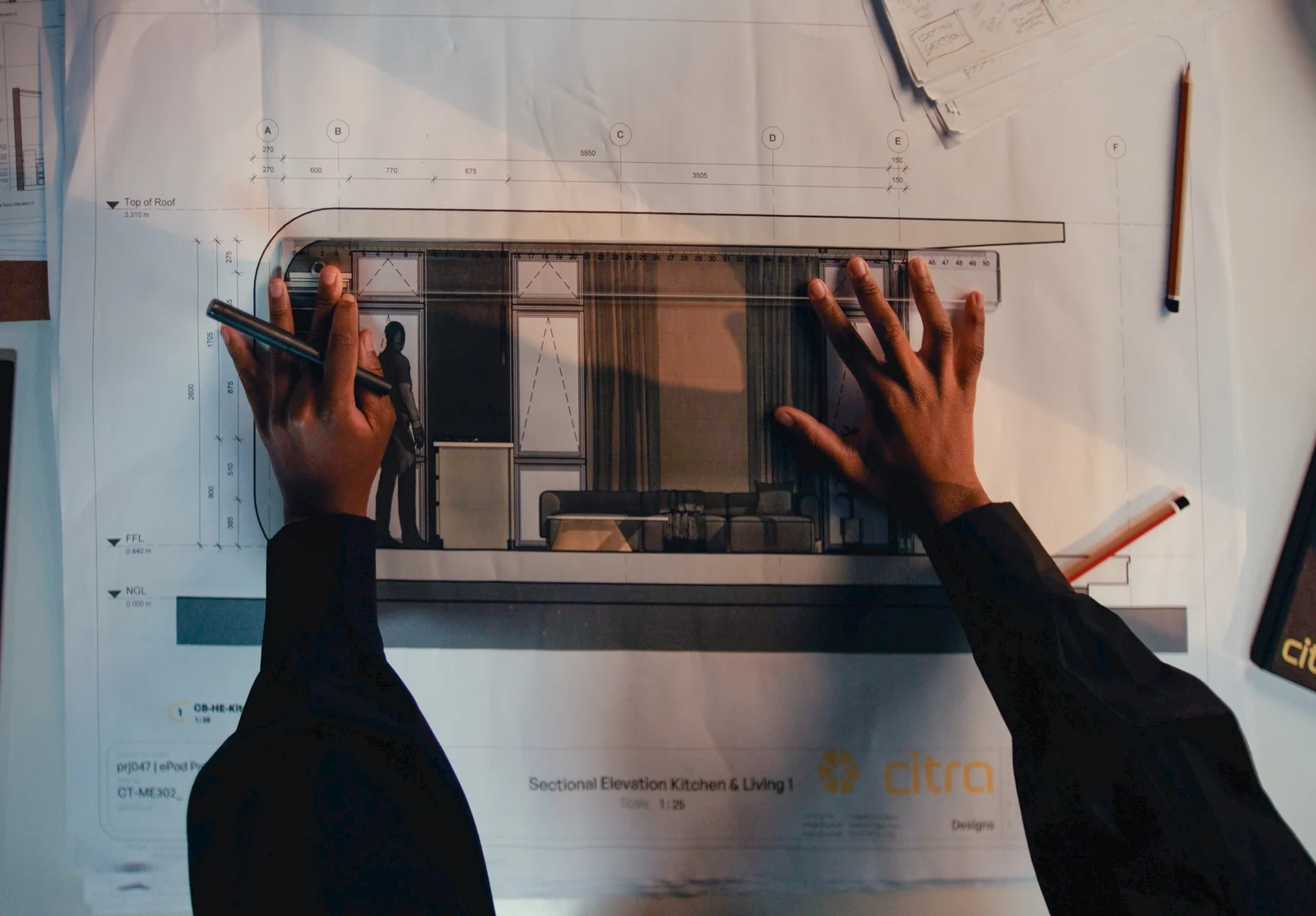
Citra is a housing and development business backed by Swiss funding, rethinking how homes get built. Its proprietary technology offers the potential to build faster, lighter, stronger and more affordably. That could make a real difference globally, and especially here in South Africa.
The technology was fascinating, but what mattered just as much was CEO and co-founder Joel Baur’s openness. He’s an entrepreneur with a clear vision, confident in his expertise and willing to trust other people’s.
That trust allowed us to challenge the story, bring in strategist Matt Riley and focus on why the technology mattered, not just how it worked.
In a world transformed by technology, why are we still building houses largely the same way we did generations ago? And why is quality housing still out of reach for so many people?
Suddenly, we weren’t simply talking about a different way of building. We were talking about a different way of living.
Citra already had a beautifully simple brand philosophy: Live Different. Our challenge was finding a way to bring it to life.
In the ad, children drawing dream homes without the practical constraints adults tend to imagine became a way to express the creative freedom Citra’s technology enables.
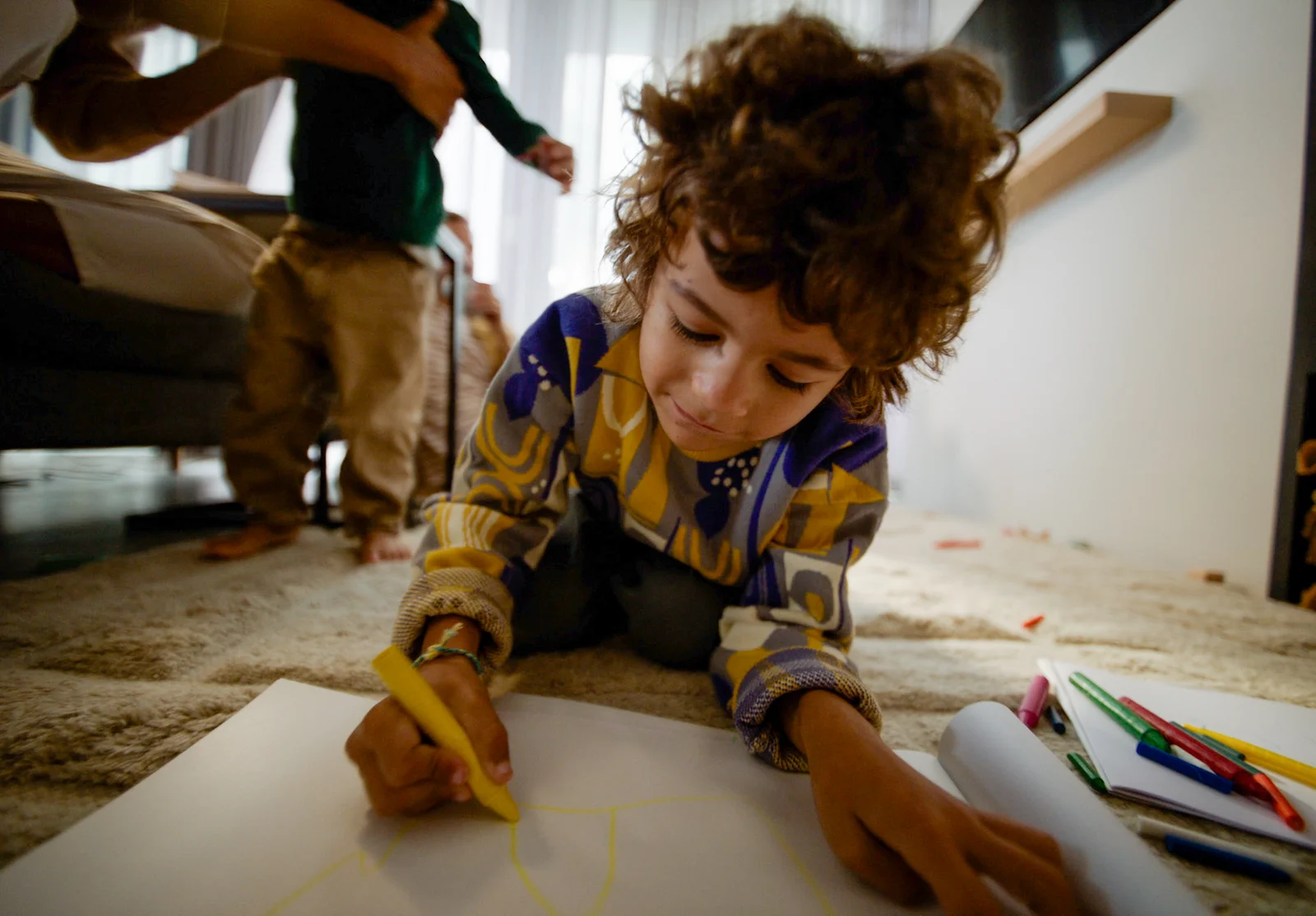
Somewhere along the way, we came across another line within the Citra brand:
Form follows feeling.
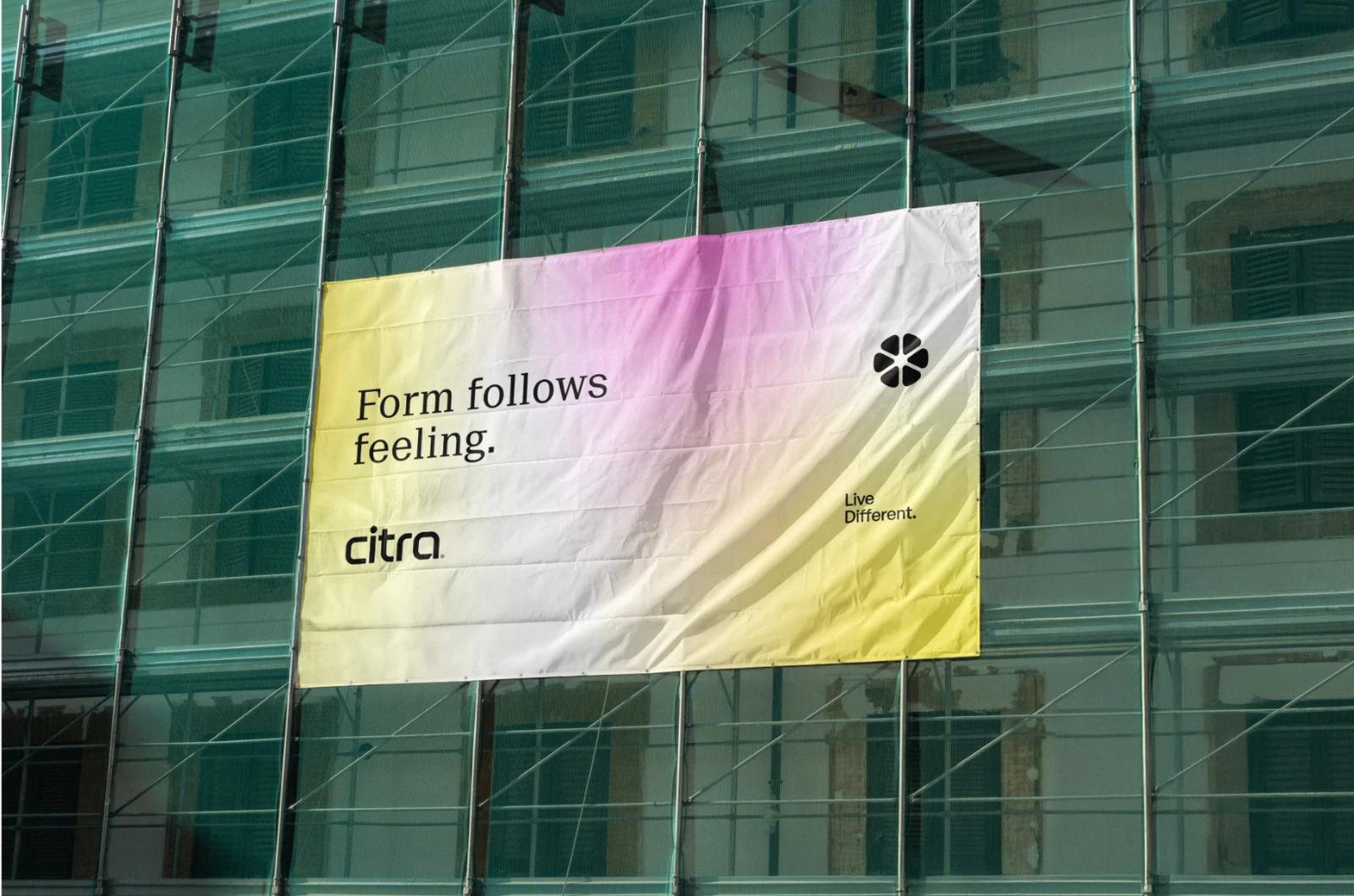
We loved it. Because that’s essentially what we’d been doing. Rather than starting with what the film should look like, we’d spent time understanding what we wanted people to feel.
With the creative direction taking shape, we brought in director Nelis Botha, who worked closely with our creative producer, Rex Truter, to bring the idea to life.
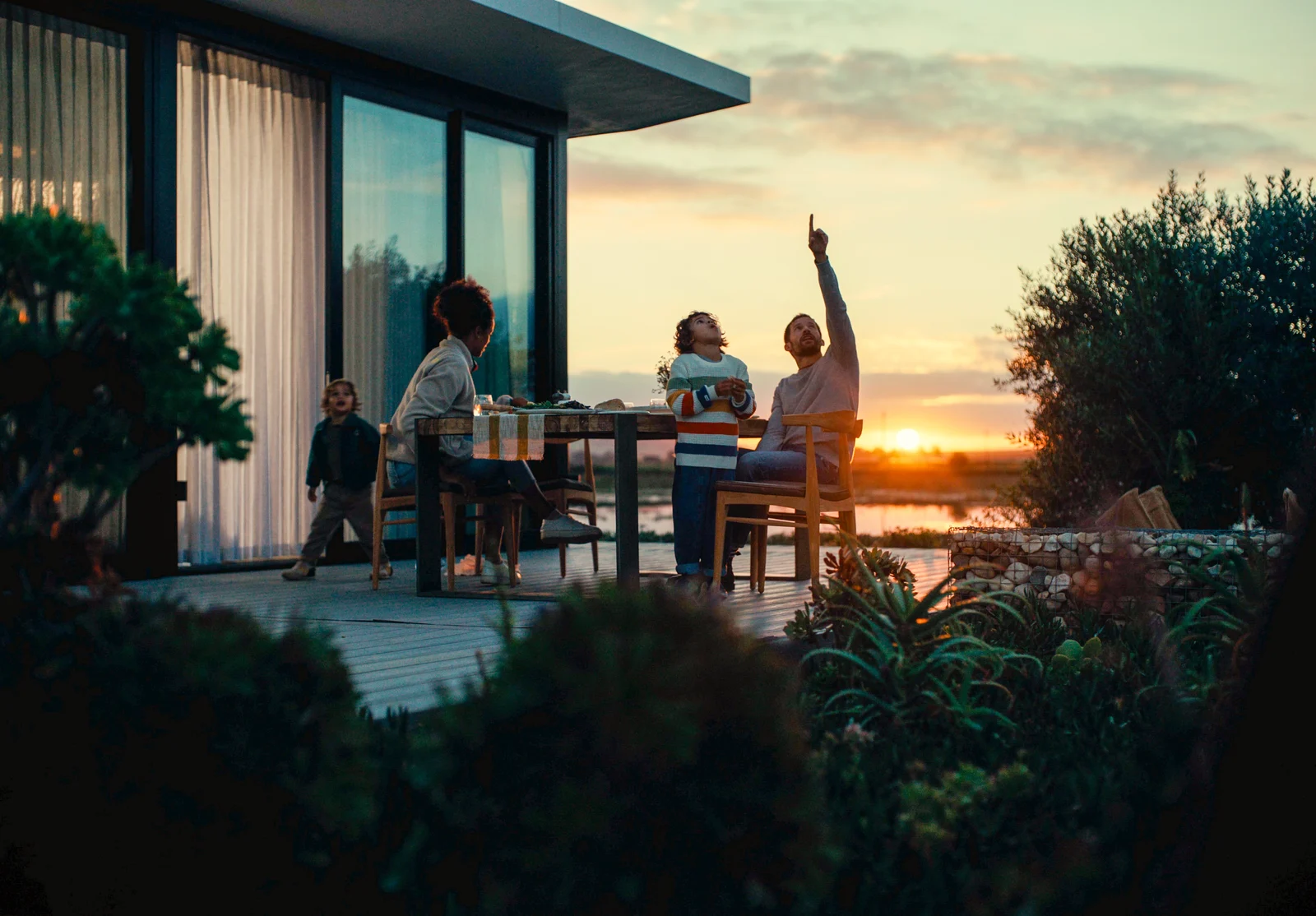
We filmed in an existing Citra home, with a real family whose outlook genuinely reflected the values we’d been discussing. We weren’t interested in manufacturing authenticity. We wanted to find it.
And then there was Dimples, Joel’s 18-year-old pet chicken, who somehow became one of the unexpected stars of the show. It’s difficult to plan for an 18-year-old chicken. But somehow, even Dimples belonged.
Looking back, what interests me most isn’t just the finished product on screen, although we’re really proud of it. It’s the process that got us there.
Sometimes the most valuable thing a production partner brings isn’t a camera, a director or even a creative idea. It’s the experience to ask the right questions, the network to bring the right people together and the ability to carry an idea from an early conversation to finished work.
And when you get that right, the form tends to follow the feeling.
